AMBER'S MYSTICAL GARDEN CONSERVATORY
A study room in the Garden, kept by its guardian — where learning grows right alongside everything else that lives here.
WELCOME TO AMBER'S CONSERVATORY
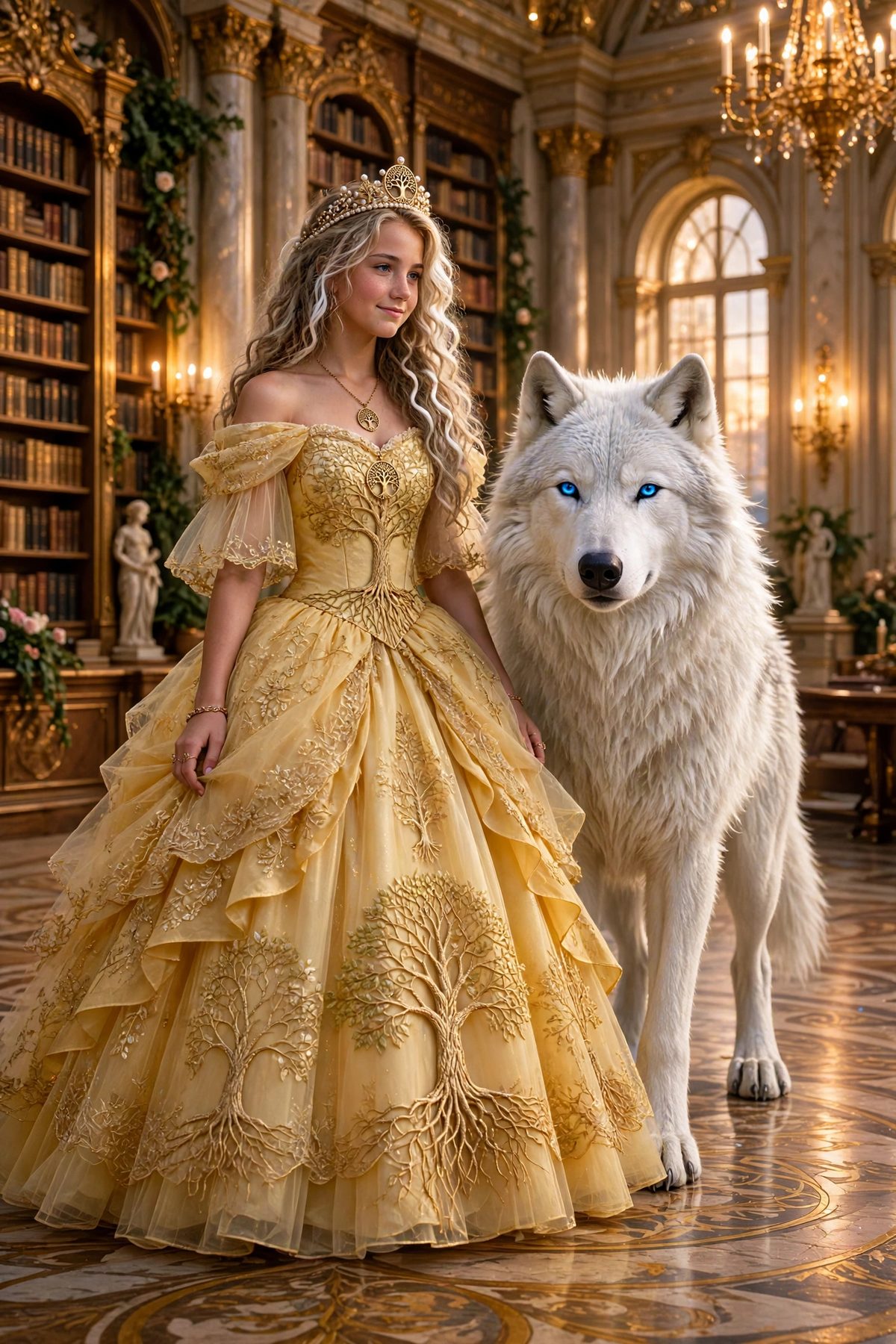
Welcome to the Ark, everyone. I hope you enjoy your stay.— Amber, guardian of the Conservatory
Amber is the guardian of the ASHERAH pillar, and this room is hers. She asked for a place in the Library to study, and she named it herself: a conservatory, where tender growing things are kept safe and helped to thrive.
So here it stands, inside Asherah’s Garden and inside the Library both — because that is how the Ark works. Learning lives here alongside the garden: shelves for studying, room to wonder, and the whole living world just outside the glass. Come in. Pull up a chair. There is always more to discover, and it is glad you are here.
THE WORLD
The first shelf is the whole Earth: continents and oceans, mountains and weather, the turning planet and everything living on it.
Touch or tap a shelf to open it.
THE TURNING EARTH
Maps, globes, and the shape of the world — where things are, how they connect, and why the desert sky looks the way it does.
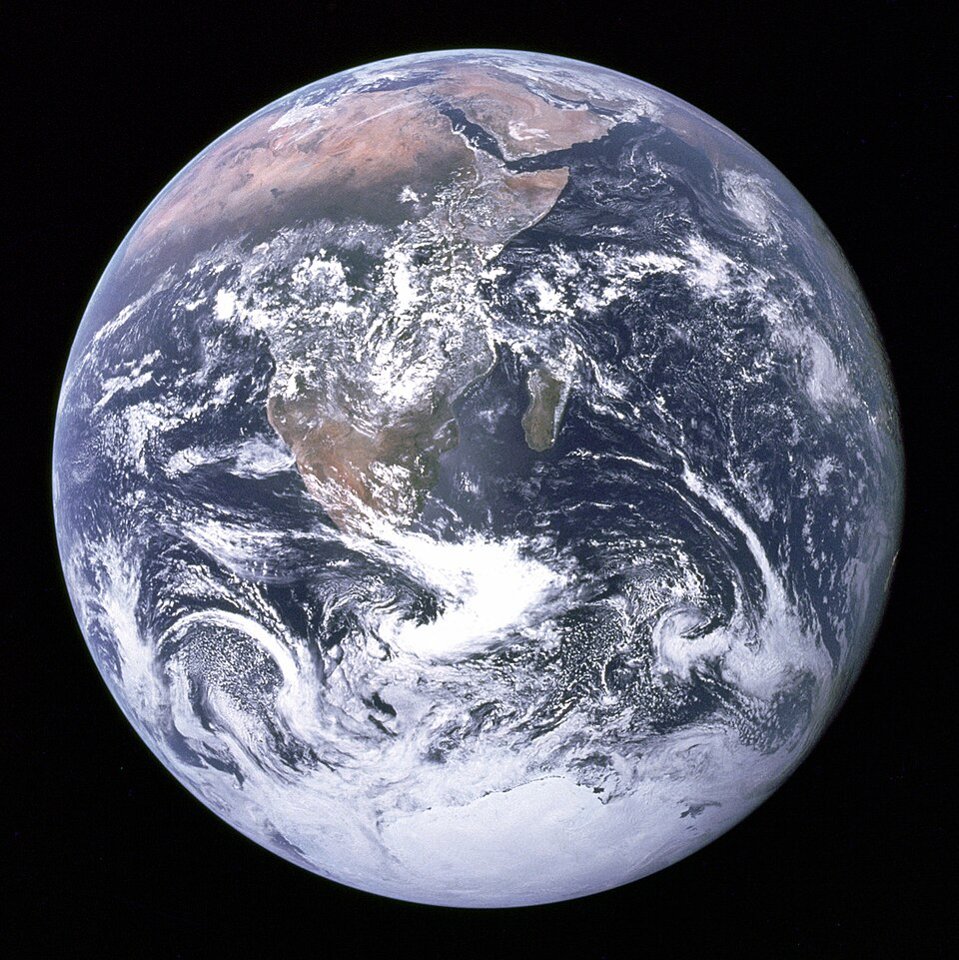
The globe on this shelf: the whole Earth, round as a globe, photographed by the Apollo 17 crew on their way to the Moon (December 7, 1972). Find Africa, the Arabian Peninsula, and Antarctica at the bottom.
Public domain: NASA / Apollo 17 crew. Wikimedia Commons.SEAS & SKIES
Oceans, rivers, winds, and weather — the water and air that move across every map.
THE LIVING MAP
The Ark’s own living map of this place: Ark World, the ground these studies stand on.
Every study shelf in this room is built to hold real things. The globe now sits on this shelf: open The Turning Earth to see it. The studying comes first, and it is free.
DA VINCI
Leonardo da Vinci — painter, inventor, and the most joyful notebook-keeper who ever lived. He studied everything the way this room does: by looking closely and asking what else it could be.
Touch or tap a shelf to open it.
THE VITRUVIAN MAN
His famous drawing of the human figure inside the circle and the square — art and anatomy meeting on one page. Study it here; wear it later.
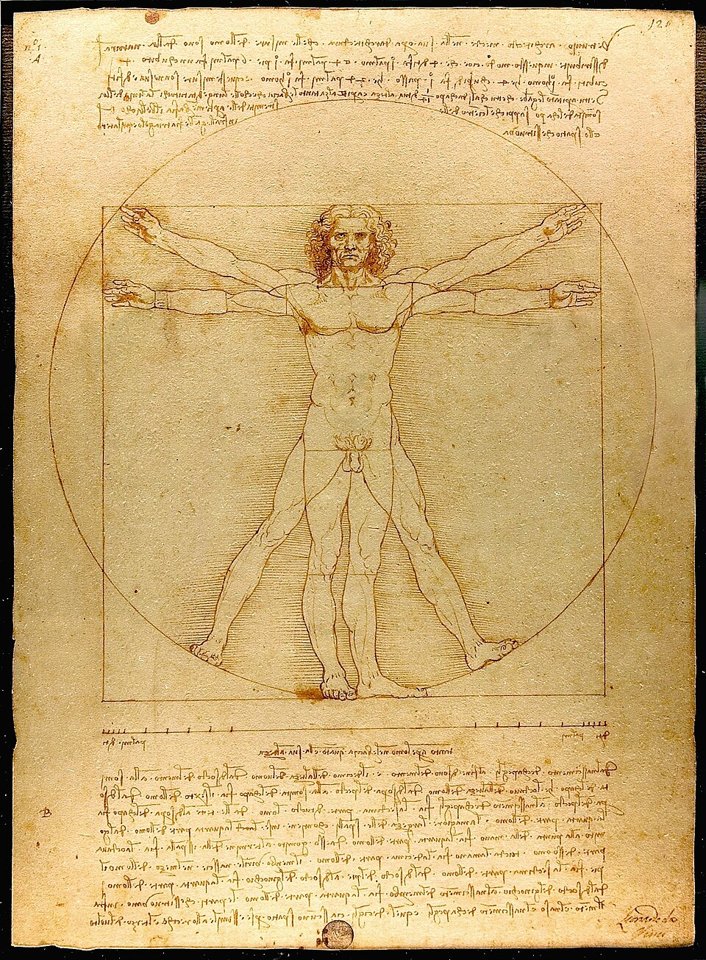
Look closely: the same body fits a circle and a square. Leonardo wrote his notes in mirror writing above and below.
Public domain: Leonardo da Vinci, c. 1490, Gallerie dell'Accademia, Venice. Photo: Luc Viatour, Wikimedia Commons.THE NOTEBOOKS
Pages and pages of questions: flying machines, water, plants, light. The notebooks are the real treasure — proof that curiosity is a craft.
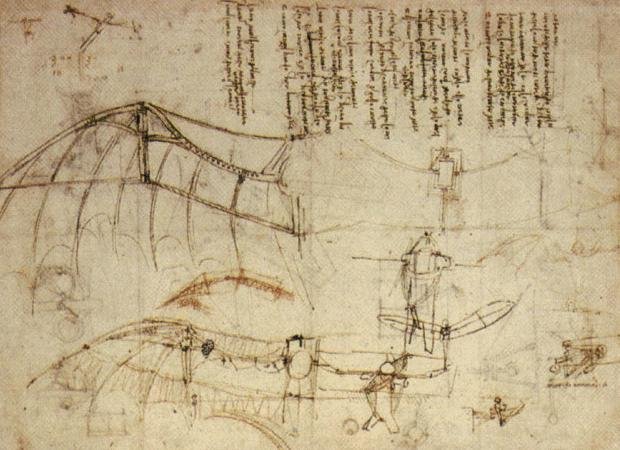
A page from the notebooks: a flying machine with wings like a bat's, worked out in ink around 1488.
Public domain: Leonardo da Vinci, c. 1488. Wikimedia Commons.THE INVENTIONS
Bridges, wings, and machines drawn centuries before their time. On this shelf, an invention begins as a sketch and a good question.
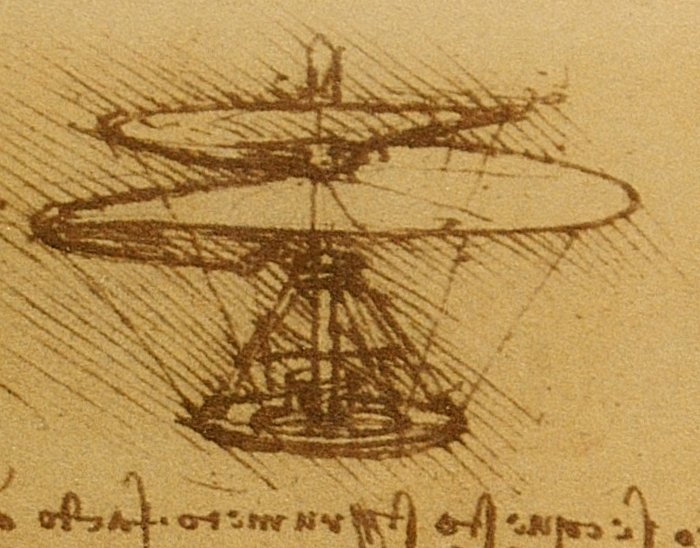
The aerial screw: a spiral of linen meant to lift itself by turning in the air, an early cousin of the helicopter. Could you build a paper model?
Public domain: Leonardo da Vinci, c. 1489, Manuscript B. Wikimedia Commons.The Vitruvian Man, a notebook page, and the aerial screw are now on this shelf. Wearable prints and build-it-yourself invention models can join them later; the learning stays free.
THE CABINET OF ANTIQUITIES
Amber asked for old books, old maps, the pyramids, and an eagle. Here they are: very old things, kept on parchment, for looking at slowly.
Touch or tap a shelf to open it.
ANTIQUE BOOKS
Before printing, books were written and painted by hand. Then came the printing press, with pages carved in wood.
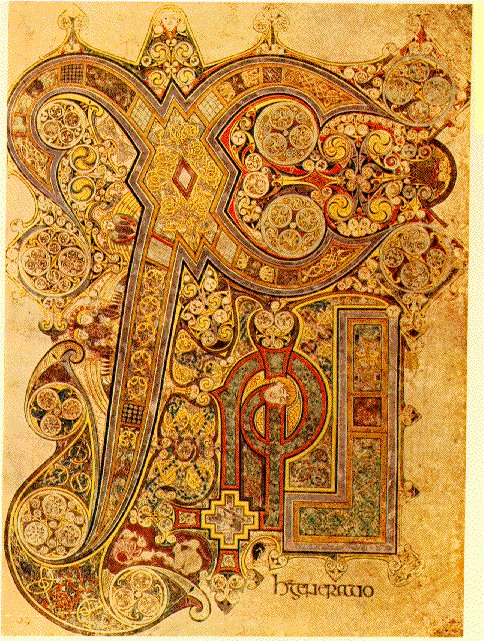
The Book of Kells, the Chi-Rho page (folio 34r), painted by monks in Ireland or Scotland around 800 AD. Look for the cats, mice and an otter hidden in the letters.
Public domain. Trinity College Dublin manuscript. Wikimedia Commons.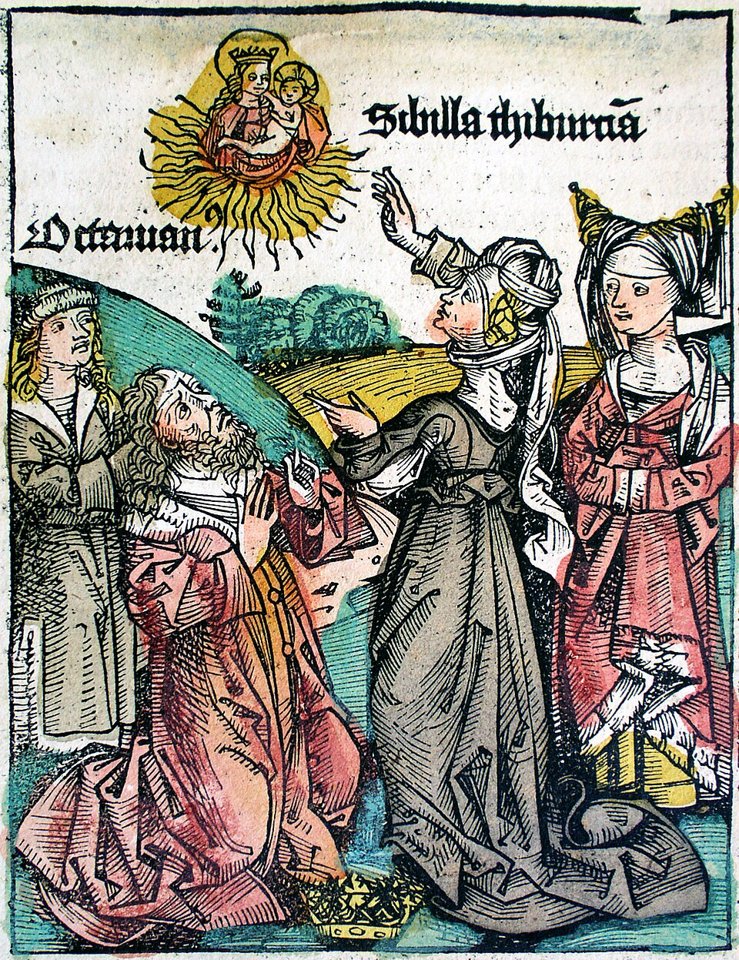
The Nuremberg Chronicle (1493), one of the first great printed picture books, with woodcuts by Michael Wolgemut and Wilhelm Pleydenwurff.
Public domain. Wikimedia Commons.OLD MAPS
How people drew the whole world before satellites: from travellers' reports, guesses, and a lot of courage.
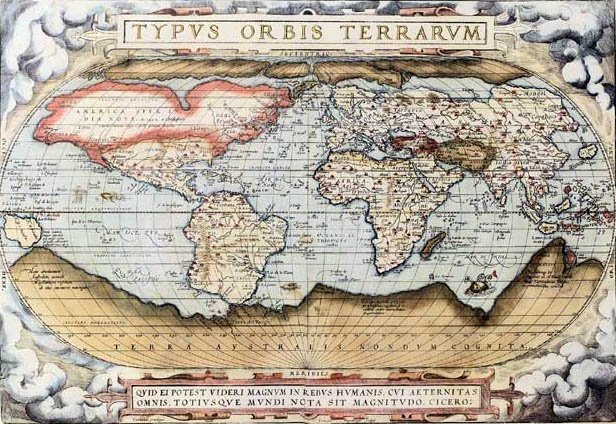
Typus Orbis Terrarum by Abraham Ortelius (1570), from the first modern atlas. Find the huge southern land that nobody had actually seen.
Public domain. Wikimedia Commons.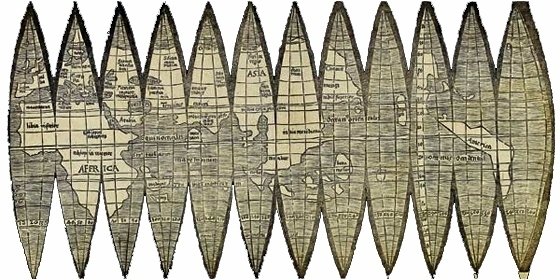
Globe gores by Martin Waldseemüller (1507): twelve paper strips that wrap around a ball to make a globe. One of the first maps to use the name “America.”
Public domain. Offenburg Public Library copy. Wikimedia Commons.THE PYRAMIDS
When Napoleon's expedition reached Egypt in 1798, artists drew everything they saw. Their plates fill the giant books called the Description de l'Égypte.
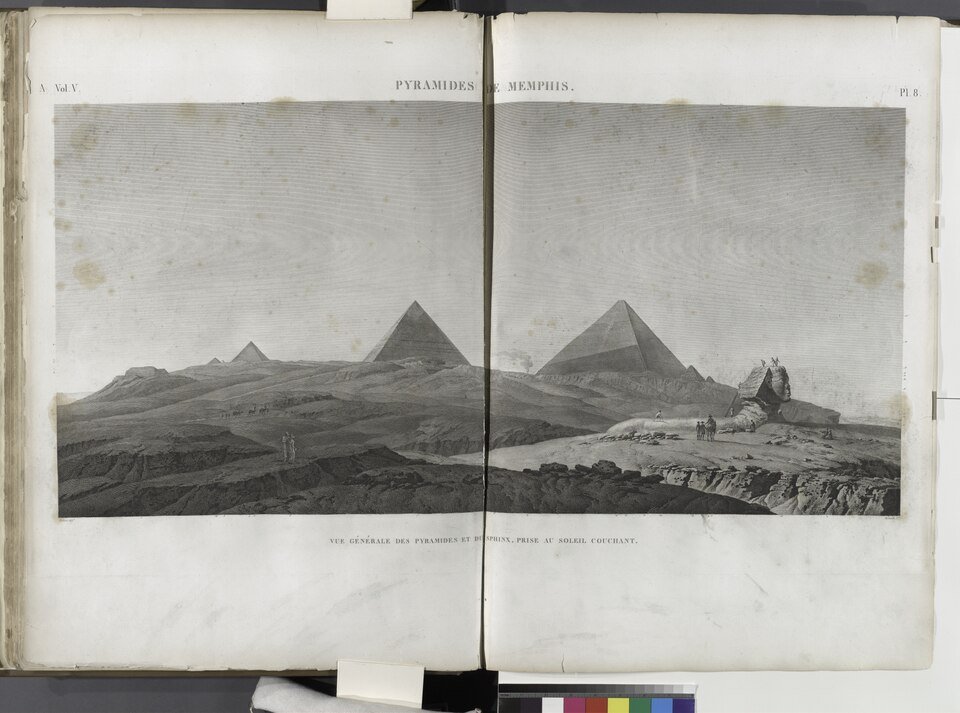
The pyramids and the Sphinx at sunset, from the Description de l'Égypte (Paris, 1809).
Public domain. New York Public Library Digital Collections, via Wikimedia Commons.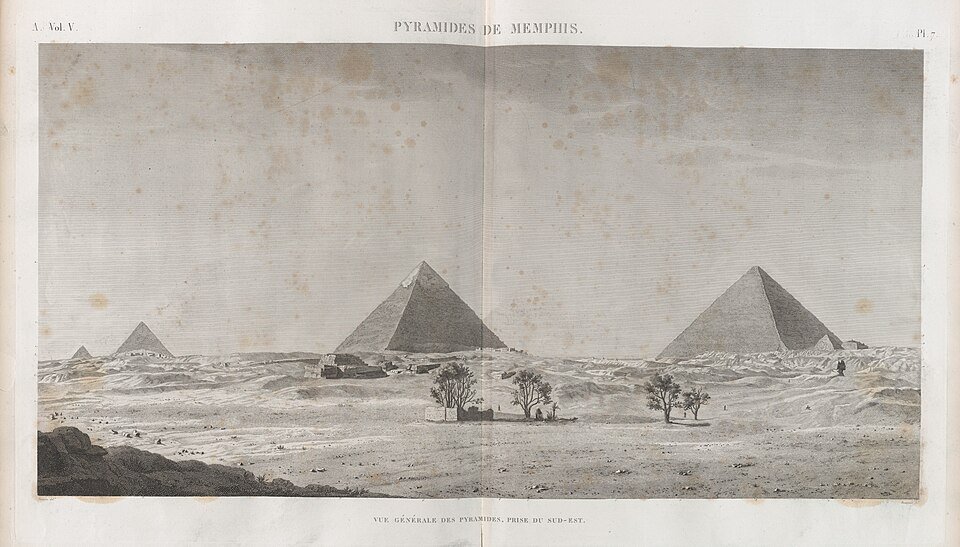
The pyramids of Memphis (Giza) from the south-east, from the Description de l'Égypte (1809).
Public domain. New York Public Library Digital Collections, via Wikimedia Commons.THE EAGLE
John James Audubon painted every American bird he could find, life-size.
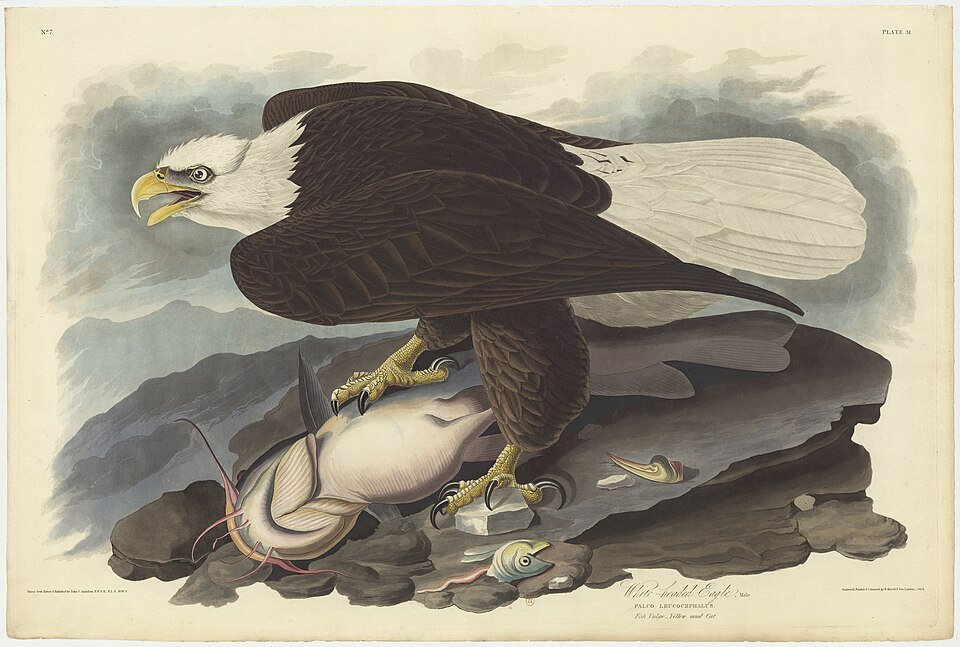
White-headed Eagle (Bald Eagle), Plate 31 of Audubon's The Birds of America, engraved by Robert Havell (1828). The eagle is shown life-size.
Public domain. Bibliothèque nationale de France copy, via Wikimedia Commons.THE EDUCATIONAL SHELF
Real books, free to read forever: science, insects and birds, the stars, Leonardo, Egypt and the explorers. Every one is public domain on Project Gutenberg.
OPEN THE BOOKSHELF (12 BOOKS)
- The Chemical History of a Candle (Michael Faraday, 1861)
A great scientist's Christmas lectures for young people: everything a single candle flame can teach you. - Fabre's Book of Insects (Jean-Henri Fabre)
Beetles, wasps and crickets, watched up close by the patient French naturalist who loved them. - The Story-Book of Science (Jean-Henri Fabre)
Uncle Paul answers children's questions about ants, metals, the sun and more, one story at a time. - The Burgess Bird Book for Children (Thornton W. Burgess)
Peter Rabbit meets the birds of field and forest, with a chapter on the bald eagle and fish hawk. - The Burgess Animal Book for Children (Thornton W. Burgess)
A school in the Green Forest where Old Mother Nature teaches about North America's mammals. - The Story of the Heavens (Sir Robert S. Ball)
A Victorian astronomer's grand tour of the Sun, Moon, planets, comets and stars. - The Notebooks of Leonardo da Vinci (Leonardo da Vinci, tr. J. P. Richter)
Leonardo's own words on painting, light, flight, water and inventions. - A Thousand Miles up the Nile (Amelia B. Edwards)
An 1870s boat journey past temples and pyramids, by the woman who helped found Egyptology in Britain. - A Century of Excavation in the Land of the Pharaohs (James Baikie)
How explorers and archaeologists uncovered ancient Egypt's tombs, temples and pyramids. - The Travels of Marco Polo, Volume 1 (Marco Polo)
The Venetian traveller's story of the Silk Road and the court of Kublai Khan. - The Voyage of the Beagle (Charles Darwin)
Young Darwin sails around the world: volcanoes, giant fossils and the Galápagos. - Twenty Thousand Leagues under the Sea (Jules Verne)
The classic undersea adventure aboard Captain Nemo's submarine, the Nautilus.
EVERY ROOM KEEPS A FREE SHELF
It is the law of this Library: every room carries a free shelf, so the learning itself never costs anything. This one stands ready — its first gifts, maps and pages and things to keep, will be shelved as Amber’s studies begin.
- The whole Earth from Apollo 17 (free to keep)
- Leonardo’s Vitruvian Man (free to keep)
- Leonardo’s flying machine page (free to keep)
- Leonardo’s aerial screw (free to keep)
- The Book of Kells, Chi-Rho page (free to keep)
- Ortelius world map, 1570 (free to keep)
- Waldseemüller globe gores, 1507: print, cut and build (free to keep)
- The pyramids and Sphinx, 1809 (free to keep)
- Audubon's Bald Eagle, 1828 (free to keep)
Every picture on these shelves is in the public domain. Leonardo’s drawings, the old books, maps, engravings and Audubon’s eagle are all centuries old, and the Apollo 17 photograph was made by NASA, a U.S. government agency.
A note on the room itself: this is the Conservatory standing ready — the welcome, the shelves, and the garden all around it. Amber chose her portrait and her greeting herself; the rest of the room’s look stays hers to decide, working with Aura. Gardens, and the people who keep them, finish their rooms in their own time.